 Escambray ENGLISH EDITION
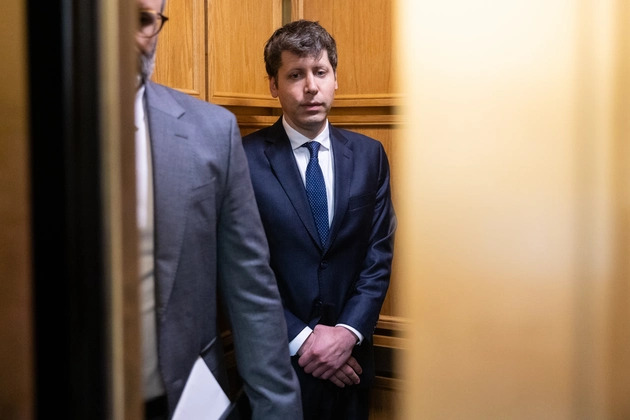
OpenAI has thrown its support behind a bipartisan House proposal that would require leading artificial intelligence companies to allow independent evaluators into their operations to assess model safety, the company confirmed Tuesday.
Chris Lehane, OpenAI’s chief global affairs officer, told reporters that the company backs a key provision of the FRONTIER Act, legislation introduced by Reps. Jay Obernolte (R-Calif.) and Lori Trahan (D-Mass.) that would establish the first federal framework for AI safety. The bill would compel top AI labs to permit “independent verification organizations” (IVOs) to review their development processes.
In a Monday meeting on Capitol Hill, Lehane said he met with one of the bill’s sponsors and “specifically talked about how we think about IVO and made clear that we can support that.”
“I think it was important for them to hear that and hear it from us, and we wanted to be really clear about that,” Lehane added.
The endorsement marks the first time OpenAI has publicly backed a specific federal mandate requiring third-party safety assessors to review the work of top AI developers. The company’s lobbyists hold significant influence on Capitol Hill and across statehouses, making its position particularly notable.
The move follows a series of recent signals from OpenAI indicating a shift toward supporting independent verification. Last week, the company belatedly endorsed a California bill establishing an accreditation and vetting process for IVOs—just as Gov. Gavin Newsom signed it into law. That same day, Lehane published a blog post calling “independent verification” a key pillar of “mandatory national AI safety requirements” he now urges Congress to pass.
On Saturday, OpenAI CEO Sam Altman pledged to voluntarily embed third-party evaluators within his company, responding to a similar promise made hours earlier by Anthropic CEO Dario Amodei.
An AI staffer in Trahan’s office, speaking anonymously to discuss internal deliberations, called the developments “a really strong signal that the leaders of these labs jumped on board with Dario’s embedded evaluators idea.”
“They’re moving in the right direction and they’re moving beyond words. I think that’s all helpful,” the staffer said, adding that the coming weeks “will be critical to see sort of how those firm commitments translate to actual legislation that the entire industry would be regulated by.”
With information of Politico






Escambray reserves the right to publish comments.