 Escambray ENGLISH EDITION
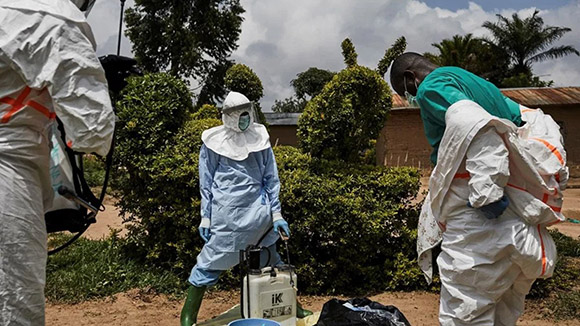
The Ebola outbreak in the Democratic Republic of the Congo (DRC) has reached four months since it was officially declared on May 15 in the east of the country, with more than 3,500 deaths, according to the Congolese government.
In an official statement, the Ministry of Communication and Media said the epidemic had caused 3,510 deaths and 7,258 confirmed cases, based on official data up to September 13. The number of patients who recovered stands at 1,726, while 905 remain in isolation or hospitalized. Officials put the overall case fatality rate at 48.4% and the contact tracing rate at 78.6%.
The outbreak affects 62 health zones in seven provinces: Ituri, Tshopo, Bas-Uélé, Haut-Uélé, North Kivu, South Kivu, and South Ubangi. Authorities stressed that “Ituri remains the epicenter of the epidemic, with 78% of confirmed cases and 75.9% of new cases reported in the last 24 hours.”
Africa CDC Director General Jean Kaseya recalled that four months have passed since the organization declared the outbreak a “public health emergency of continental security.” He said “it is time to clearly and objectively analyze the progress made and the challenges pending.”
Congolese health authorities said Monday that the peak may have been reached in August, with “a gradual downward trend in the curve of confirmed cases and deaths.” However, the World Health Organization (WHO) said the outbreak remains “out of control” and “is increasingly heterogeneous, with improving trends in some areas coexisting with continued transmission, geographic redistribution, and the emergence of new foci of contagion.”
The episode is consolidating itself as the second deadliest and most contagious in global history, surpassing the outbreak in the same region between 2018 and 2020, though it remains far from the worst in West Africa from 2014 to 2016. The Bundibugyo strain lacks specific treatments, but the WHO is working on two phase 1 vaccines that have proven safe. The DRC also began an immunization campaign with the Ervebo vaccine, which has shown positive signs in cross-immunization against this strain in animals.
The current epidemic spread to neighboring Uganda, where the WHO declared the end of the outbreak on August 26 after 20 confirmed infections, including 15 imported from the DRC, with two deaths.
With information of TeleSUR




Escambray reserves the right to publish comments.